


ASE Food Products, a brand of Al Shaye EXIM LLP, is a professionally managed B2B export company delivering 100% fresh and premium-quality food products from India to international markets. We partner with global importers, wholesalers, distributors, ...
- asefoodproducts@gmail.com
- No :5 , West Side , Azeez Nagar , Pattur, Mangadu, , Chennai, Tamil Nadu, India. 600017
© 2020 AL SHAYE EXIM LLP. All Rights Reserved
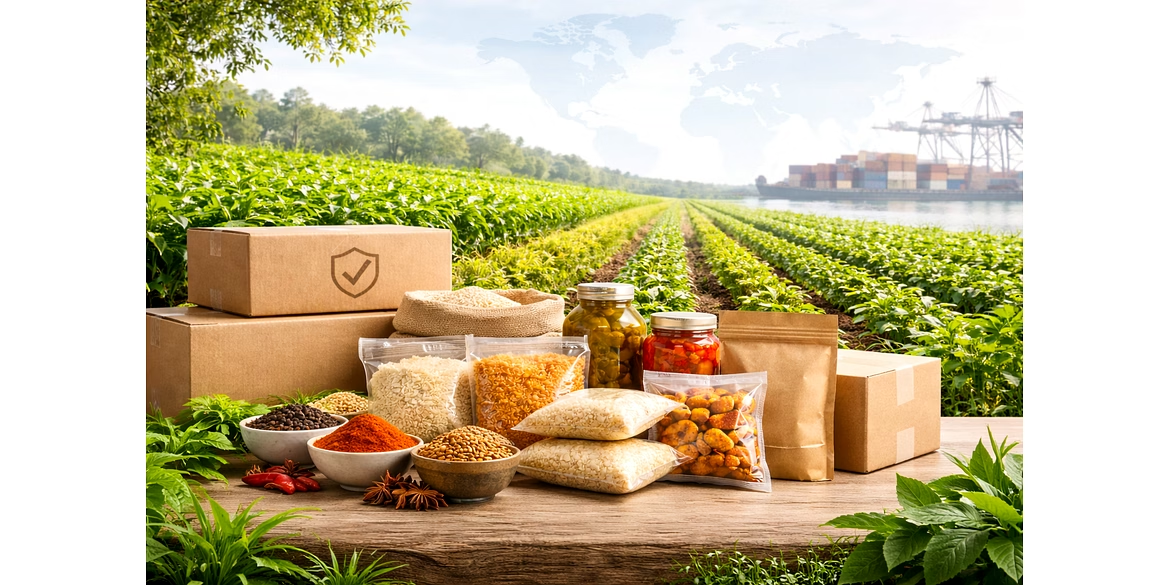

Sustainability is no longer a passing trend—it has become a core requirement in global food trade. Food importers across regions are prioritizing sustainably sourced food products to meet regulatory standards, consumer expectations, and long-term supply stability. Understanding this shift is essential for importers aiming to remain competitive, compliant, and resilient.
Changing Consumer Expectations
Today’s consumers are more informed about where their food comes from and how it is produced. This growing awareness directly influences importer sourcing strategies and supplier selection.
• Rising demand for safe, natural, and responsibly sourced food
• Preference for brands with ethical and environmental values
• Increased scrutiny of farming and sourcing practices
• Stronger demand for clean-label and eco-friendly products
Importers must align sourcing strategies with these expectations to maintain market relevance and consumer trust. Internal resources such as Sustainable Food Sourcing can support this alignment.
Stricter Global Regulations & Compliance
Governments and regulatory bodies worldwide are strengthening food safety and sustainability requirements, making responsible sourcing a compliance necessity rather than a choice.
• Tighter controls on chemical residues and pesticides
• Mandatory compliance with environmental and food safety standards
• Increased inspections and documentation requirements
• Sustainability-linked import approvals and certifications
Working with sustainability-focused exporters helps importers reduce regulatory risk and avoid costly shipment delays or rejections.
Long-Term Supply Chain Stability
Sustainable agricultural practices contribute to consistent and predictable supply, which is critical for importers managing long-term contracts and recurring demand.
• Healthy soil supports stable crop yields
• Responsible farming protects natural resources
• Reduced dependency on harmful agricultural inputs
• Better resilience against climate and environmental challenges
Sustainability-driven sourcing supports predictable supply chains and long-term importer confidence.
Risk Management & Brand Protection
Unsustainable sourcing practices can expose importers to serious operational and reputational risks, particularly in highly regulated or brand-sensitive markets.
• Risk of shipment rejections or product recalls
• Damage to brand reputation and consumer trust
• Regulatory penalties and financial losses
• Supply disruptions due to environmental degradation
Sustainable sourcing helps importers minimize long-term business risks while protecting brand value.
Competitive Advantage in Global Markets
Sustainability is increasingly used as a differentiator in international food trade, influencing buyer decisions and retail partnerships.
• Access to premium and eco-conscious markets
• Stronger positioning with retailers and food brands
• Ability to meet corporate ESG requirements
• Improved trust with end customers
Importers that adopt sustainability-focused sourcing often gain a clear competitive edge in global markets.
The Role of Exporters in Sustainable Imports
Exporters play a critical role in supporting sustainability-focused importers through responsible practices and transparent supply chains.
• Promotion of natural and responsible farming practices
• Ethical sourcing and long-term farmer partnerships
• Transparent traceability and documentation
• Compliance with international sustainability expectations
Exporters like ASE Food Products, a brand of Al Shaye EXIM LLP, support global buyers with sustainability-driven sourcing aligned to both market demand and regulatory requirements.
Sustainability as a Long-Term Business Strategy
For food importers, sustainability is not just about compliance—it is about future readiness, resilience, and responsible growth.
• Alignment with global food trade trends
• Stronger long-term supplier relationships
• Improved resilience against regulatory changes
• Contribution to environmental and social responsibility
Sustainable food imports support both long-term profitability and responsible global trade.
Frequently Asked Questions (FAQs)
Why is sustainability important in food imports today?
Sustainability ensures food safety, regulatory compliance, environmental protection, and long-term supply stability.
Do sustainable food products cost more to import?
Some sustainable products may have higher sourcing costs, but they often provide premium market access and reduced long-term risks.
How does sustainability affect import regulations?
Many countries are introducing stricter rules on chemical usage, environmental impact, and traceability, making sustainability a compliance requirement.
Can sustainability improve importer brand value?
Yes. Sustainable sourcing enhances brand reputation, consumer trust, and alignment with eco-conscious retailers and customers.
How can importers verify sustainability practices?
By working with transparent exporters who provide documentation, traceability, and clear sourcing information.