


ASE Food Products, a brand of Al Shaye EXIM LLP, is a professionally managed B2B export company delivering 100% fresh and premium-quality food products from India to international markets. We partner with global importers, wholesalers, distributors, ...
- asefoodproducts@gmail.com
- No :5 , West Side , Azeez Nagar , Pattur, Mangadu, , Chennai, Tamil Nadu, India. 600017
© 2020 AL SHAYE EXIM LLP. All Rights Reserved
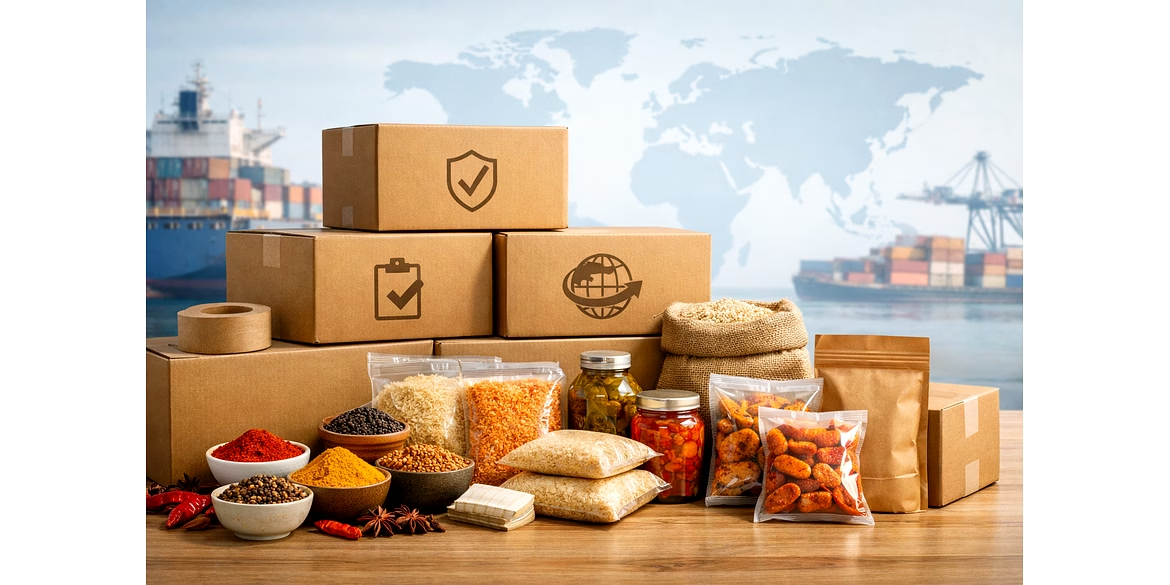

India is one of the world’s leading sources of fresh and processed food products. From fruits and vegetables to spices and value-added foods, global buyers increasingly rely on India for quality, variety, and competitive pricing. This guide explains how to import food products from India, step by step, so importers can make informed, confident decisions while reducing risk and improving supply consistency.
Step 1: Identify the Right Food Products to Import
Before you begin importing food products from India, define which items best match your market demand and your country’s regulatory requirements. A clear sourcing plan helps you avoid delays, quality issues, and costly rework at customs.
• Identify product categories (fresh produce, processed foods, spices, staples)
• Study local market demand and consumer preferences
• Check import regulations for the target country
• Confirm shelf life, storage, and handling requirements
A strong product strategy reduces risks and improves the success rate of your India food import process—especially when expanding into new categories like spices, ready-to-eat foods, or packaged staples.
Step 2: Choose a Reliable Indian Food Exporter
Selecting a reliable Indian food exporter is the most important step in successful importing. Your exporter impacts product quality, documentation accuracy, delivery timelines, and compliance—especially for regulated food categories.
• Verify exporter experience and export track record
• Evaluate quality assurance and food safety practices
• Confirm ability to meet bulk and recurring orders
• Check transparency in pricing and communication
Exporters like ASE Food Products, a brand of Al Shaye EXIM LLP, emphasize quality, compliance, and long-term partnerships—critical for importers seeking dependable supply and consistent product standards.
Step 3: Understand Import Regulations & Compliance
Every destination country has specific food import regulations. To import food products from India smoothly, plan compliance before the shipment is booked. This reduces the chance of customs holds, relabeling, or rejected consignments.
• Review food safety and labeling requirements
• Understand permitted ingredients and additives
• Confirm phytosanitary or health certifications, if applicable
• Align packaging with destination country standards
Early compliance planning is one of the best ways to prevent shipment delays and minimize costs during customs clearance.
Step 4: Finalize Product Specifications & Packaging
Clear product specifications ensure your importer requirements match the exporter’s production and packing plan. This is essential when importing processed food products from India, where consistency, labeling, and pack formats are closely reviewed.
• Define quality parameters and grades
• Finalize packaging type and sizes
• Confirm labeling requirements (origin, batch, expiry)
• Agree on private label or bulk packaging, if needed
Detailed specifications reduce misunderstandings and help ensure consistency across repeat shipments.
Step 5: Order Confirmation & Documentation
Once pricing, specifications, and shipment terms are agreed, the exporter prepares the required export documentation. Correct paperwork is essential for smooth clearance when importing food from India, and it reduces the risk of delays caused by mismatched details.
• Commercial invoice and packing list
• Certificate of origin
• Health or phytosanitary certificates (as required)
• Shipping and customs documentation
Accurate documentation supports faster customs inspection and reduces clearance issues.
Step 6: Logistics, Shipping & Handling
Food products often require careful handling during international transit to protect quality and freshness. Your shipping plan should match the product’s shelf life, storage conditions, and delivery timelines, especially for fresh produce or temperature-sensitive goods.
• Selection of appropriate shipping method
• Temperature and storage condition planning
• Export-grade packaging for long-distance transport
• Coordination with freight forwarders and shipping lines
Reliable Indian exporters often support logistics planning to help ensure timely delivery and minimize transit risk. If relevant, link internally to International Shipping Support.
Step 7: Customs Clearance & Delivery
After arrival, goods must clear customs before reaching your warehouse or distribution center. A structured clearance process helps importers avoid demurrage charges, storage fees, and delays that can affect inventory planning.
• Customs inspection and document verification
• Payment of applicable duties and taxes
• Final delivery to warehouse or distribution center
Working with experienced exporters and customs agents can simplify clearance and reduce the chance of compliance issues during import procedures.
Step 8: Build a Long-Term Import Partnership
Successful food importing is not just about one shipment. Long-term partnerships deliver better pricing stability, reliable supply, and consistent product quality—especially when importing in bulk or managing recurring orders.
• Evaluate product quality after delivery
• Provide feedback for improvement
• Plan repeat or long-term supply agreements
• Strengthen communication and trust
When importer-exporter relationships are stable, both sides can improve forecasting, packaging efficiency, and delivery schedules—helping your business scale reliably.
Frequently Asked Questions (FAQs) – Importing Food Products from India
Is India a reliable source for food product imports?
Yes. India is one of the world’s largest producers and exporters of food products, offering wide variety, quality sourcing, and competitive pricing for global buyers.
What documents are required to import food products from India?
Common documents include a commercial invoice, packing list, certificate of origin, and health or phytosanitary certificates, depending on the product and destination country.
How do importers ensure food safety when importing from India?
Work with exporters that follow strict quality controls, hygienic processing, and compliance with relevant international food safety standards. Product specs, batch traceability, and correct labeling also support safer importing.
Can Indian exporters handle bulk and recurring orders?
Yes. Many Indian exporters, including ASE, are equipped to manage bulk shipments and long-term supply contracts for consistent availability.
How long does it take to import food products from India?
Timelines vary by product type, destination, shipping method, and customs procedures. Planning ahead with the exporter and freight partners helps ensure timely delivery.
What challenges do importers commonly face?
Common challenges include regulatory compliance, documentation errors, logistics delays, and quality consistency. Many of these issues are avoidable by choosing a reliable exporter and confirming specifications early.
Can packaging be customized for local markets?
Yes. Many Indian exporters offer customized packaging and labeling to meet local market preferences and destination-country regulations, including private label options.
Why is choosing the right exporter important?
A reliable exporter supports quality consistency, regulatory compliance, timely delivery, and long-term supply stability—reducing risk and helping importers scale with confidence.
If you’re planning to import food products from India, prioritize a clear product plan, compliance readiness, and a trusted exporter partnership to achieve consistent quality and predictable delivery.